Surety Bonds in Ohio: What Every Business Owner Needs to Know
Surety bonds in Ohio: what they are and why they matter
If you run a contracting business, work in a licensed trade, or bid on government projects in Ohio, there is a good chance someone has already asked you for a surety bond . Most business owners hear the term and assume it is just another form of insurance. It is not, and that distinction can save you a lot of confusion when a client or state agency comes asking. Understanding how surety bonds work, which types are common in Ohio, and how to get the right bond for your situation is one of the more practical things you can do for your business this year.
What a surety bond actually is
A surety bond is a three-party agreement. You have the principal (your business, the one purchasing the bond), the obligee (the party requiring the bond, often a client, government agency, or licensing board), and the surety (the insurance or bonding company backing the agreement). The bond is a financial guarantee that you will perform your obligations. If you fail to do so, the obligee can file a claim and the surety pays out, up to the bond amount. You, the principal, are then responsible for repaying the surety.
That repayment obligation is the key difference between a surety bond and a standard insurance policy. With insurance, the insurer absorbs the loss. With a surety bond, the bond company steps in temporarily, but you are expected to make them whole. Think of it more like a credit line backed by your business reputation than a traditional policy.
Types of surety bonds common for Ohio businesses
Ohio businesses encounter several categories of surety bonds depending on their industry and the kind of work they do. Here are the ones that come up most often.
Contract surety bonds
These are the most common in the construction world and are often required on public projects in Ohio. They include:
- Bid bonds : guarantee that if you win a contract, you will actually enter into the agreement and provide the required performance bond.
- Performance bonds : protect the project owner if you fail to complete the work according to the contract terms.
- Payment bonds : ensure that subcontractors, laborers, and material suppliers get paid even if the general contractor defaults.
- Maintenance bonds : cover defects in workmanship or materials for a specified period after project completion.
Ohio's Little Miller Act (Ohio Revised Code Section 153.54) requires performance and payment bonds on most public construction contracts worth $150,000 or more . Private projects may also require them under contract terms.
License and permit bonds
Many Ohio trades and professions require a surety bond as a condition of licensure. Contractors, mortgage brokers, auto dealers, notaries, and collection agencies are common examples. The Ohio Construction Industry Licensing Board (OCILB), for instance, requires licensed contractors to carry a bond before they can pull permits or take on certain work. Bond amounts vary by license type and can run from a few thousand dollars to well over $25,000.
Court and probate bonds
Ohio courts may require fiduciary bonds when someone is appointed to manage another person's assets, such as an executor, guardian, or trustee. These bonds protect the beneficiaries of an estate or trust from mismanagement or misconduct.
Commercial surety bonds
This category covers business service bonds (which protect your clients from employee theft) through federal bonds required by certain regulated industries. A janitorial company sending employees into client buildings, for example, often needs a business service bond.
How much does a surety bond cost in Ohio?
You are not paying the full bond amount upfront. You pay a premium , typically a small percentage of the total bond amount. For most commercial and license bonds, that runs between 1% and 3% of the bond value for applicants with good credit and a clean business history. So if a state licensing board requires a $25,000 bond , you might pay somewhere between $250 and $750 per year .
Applicants with poor credit, limited business history, or prior claims may pay a higher rate, sometimes 5% to 15% of the bond amount. Surety companies underwrite bonds much like lenders underwrite loans. They look at your personal credit score, financial statements, years in business, industry experience, and any past bond claims. The stronger your overall profile, the lower your premium.
Some bonds, particularly larger contract bonds for construction projects, may require additional financial documentation including balance sheets, profit and loss statements, and a review of your current backlog of work.
Surety bonds vs. general liability insurance: understanding the difference
This is where a lot of Ohio business owners get tripped up. A surety bond is not a substitute for general liability insurance, and general liability is not a substitute for a surety bond. They protect different parties from different risks.
General liability insurance protects you and your business from claims of bodily injury or property damage you cause to others. A surety bond primarily protects the obligee (the client, government entity, or project owner) from your failure to perform or pay. Many contractors in Ohio need both. Construction projects, licensing boards, and government contracts frequently require proof of both coverage types before work can begin.
If you are building out your commercial insurance program, it helps to look at the full picture. A broader overview of commercial insurance for Ohio businesses can walk you through how surety bonds fit alongside general liability, commercial property, and other core coverages.
Common Ohio industries that require surety bonds
Surety bonds are not limited to construction, though that is where most people encounter them first. Here is a broader look at Ohio industries where bonds come up regularly:
- General and specialty contractors : required for public projects under Ohio's Little Miller Act and often for private commercial work as well.
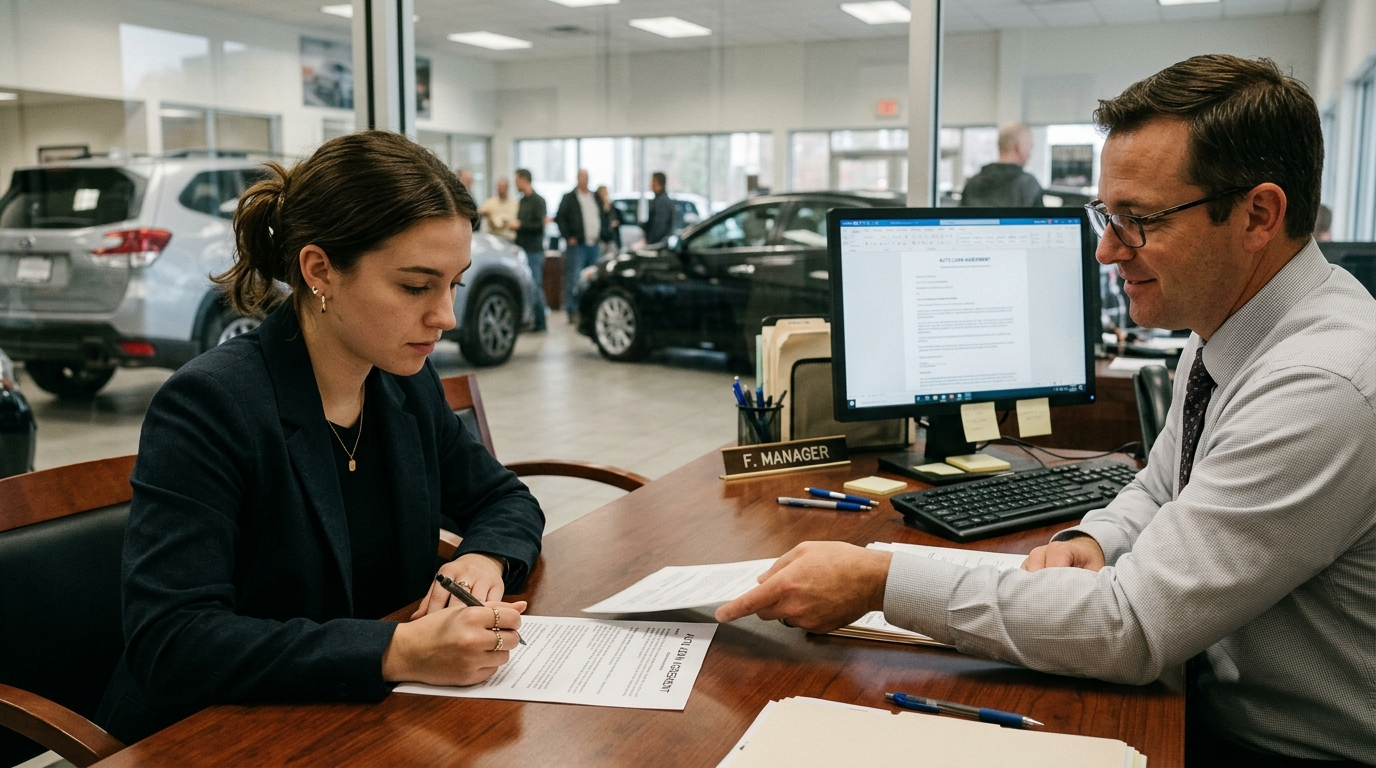
- Auto dealers : the Ohio Bureau of Motor Vehicles requires auto dealers to carry a $25,000 surety bond as part of their dealer license application.
- Mortgage brokers and lenders : Ohio's Division of Financial Institutions requires bonds for licensed mortgage loan originators.
- Collection agencies : Ohio requires a surety bond to obtain and maintain a collection agency license.
- Travel agencies : some travel seller registrations in Ohio require a bond to protect consumers from financial loss.
- Public officials and government contractors : Ohio townships, municipalities, and county offices frequently require fidelity and public official bonds.
- Freight brokers and transportation companies : Federal Motor Carrier Safety Administration (FMCSA) rules require a $75,000 BMC-84 bond for licensed freight brokers.
For businesses in the construction and contracting space, our construction industry insurance page covers the broader coverage picture specific to that sector.
How to get a surety bond in Ohio
The process is more straightforward than many business owners expect. Here is a general walkthrough:
- Identify what is required. Start with the licensing board, government agency, or contract terms that are asking for the bond. They will specify the bond type, the bond amount, and any required bond form language.
- Gather your financial information. Have your personal credit history, business financials, and years in operation ready. Smaller license bonds may only require a credit check. Larger contract bonds may require full financial statements.
- Work with a licensed agent. An independent insurance agent who handles commercial accounts can shop multiple surety companies on your behalf. Rates, underwriting criteria, and appetite for certain industries vary significantly between surety providers.
- Review and sign the indemnity agreement. When you purchase a bond, you will sign a general indemnity agreement (GIA) with the surety. This document confirms you will repay the surety if a claim is paid. Read it carefully.
- File the bond with the obligee. Once issued, the bond (or a certified copy) typically needs to be filed with the party that required it. Some bonds are filed electronically; others require a physical document with a seal.
Bond terms are usually one year and need to be renewed annually. Set a reminder well before the renewal date. A lapsed bond can result in a license suspension or a contract default.
What happens when a surety bond claim is filed?
A claim does not automatically mean a payout. The surety will investigate the claim, review the contract or license terms, and determine whether the claim is valid. If it is, the surety pays the obligee up to the bond limit and then pursues recovery from the principal.
That is why maintaining a clean claims history matters. A prior bond claim can make it harder and more expensive to get bonded again. Sureties treat a claim as a serious red flag, similar to how a DUI affects a driver's auto insurance rates for years.
Disputed claims can also be complex. If you believe a claim filed against your bond is invalid, you have the right to challenge it, and having an agent who understands the process can help you navigate that.
Get the right bond with help from Love Insurance Agency
Sorting out the right surety bond for your Ohio business, whether you are a contractor pursuing your first public project or a dealer renewing your auto license, is much easier with an agent who knows the territory. Love Insurance Agency is an independent agency, which means we work with multiple surety and commercial insurance carriers to find the coverage that fits your specific situation. We are not locked into one company's products or pricing.
Our team helps Ohio businesses get bonded and fully covered, from surety bonds to commercial surety solutions and beyond. Give us a call at (440) 527-5050 or reach out online to get started. We will walk you through what you need, what it costs, and how to get it done right.
Get A Quote
At Love Insurance Agency, securing your future is easy. Ready to protect what matters? Contact us for a quick quote and personalized insurance options!
Kelly
Speak to Kelly 24/7
Microphone ready
Start your custom insurance quote
Instant answers to your insurance questions
Schedule appointments or follow-ups
Personal Insurance
From auto and homeowners to renters and umbrella policies, we help protect your family and property. Let’s find coverage that fits your life.
Commercial Insurance
We customize policies for your industry's risks, like general liability and workers' comp, ensuring you can run your business worry-free.
Contact Love Insurance Agency
info@segurosidealinc.com
373 Center Street, STE A, Chardon, Ohio 44024, United States