Commercial Insurance 101: What Every Ohio Small Business Owner Needs to Know

Love Insurance Agency • April 8, 2026

Protecting Your Business Starts With the Right Coverage

You started your business to pursue a passion, serve customers, and build something meaningful. Insurance probably wasn't high on your list of exciting entrepreneurial activities. But here's the reality: the right commercial insurance protects everything you've built, while the wrong coverage—or no coverage—can end your business overnight.

Ohio small business owners face unique risks, from severe weather that can damage property to liability exposure that varies by industry. Understanding what coverage you actually need, what's legally required, and how to structure your policies can save you money while ensuring you're properly protected when something goes wrong.

This guide breaks down the commercial insurance basics every Ohio small business owner should understand, whether you're just starting out or have been operating for years.

General Liability Insurance: Your First Line of Defense

General liability insurance is the foundation of most commercial insurance programs. It covers bodily injury and property damage that your business causes to others, along with advertising injury and certain legal defense costs.

What general liability covers. If a customer slips and falls in your office, if your employee accidentally damages a client's property while working on-site, or if someone claims your advertising infringed on their trademark, general liability steps in. It pays for medical expenses, legal defense, settlements, and judgments up to your policy limits.

What it doesn't cover. General liability doesn't cover professional mistakes (that's professional liability), employee injuries (that's workers' compensation), or damage to your own property (that's property insurance). Think of it as covering accidents and injuries you cause to others, not expertise-based errors or internal business problems.

How Much Liability Coverage Do You Need?

Most Ohio small businesses carry $1 million per occurrence with a $2 million aggregate limit. That's often written as $1M/$2M. The per-occurrence limit is the most your policy pays for a single incident. The aggregate is the total your policy pays for all claims during the policy period.

For higher-risk businesses or those working with clients who require specific limits, you might need $2 million per occurrence or higher. Contracts often dictate your minimum coverage requirements, so check those before purchasing a policy.

Property Insurance: Protecting Your Physical Assets

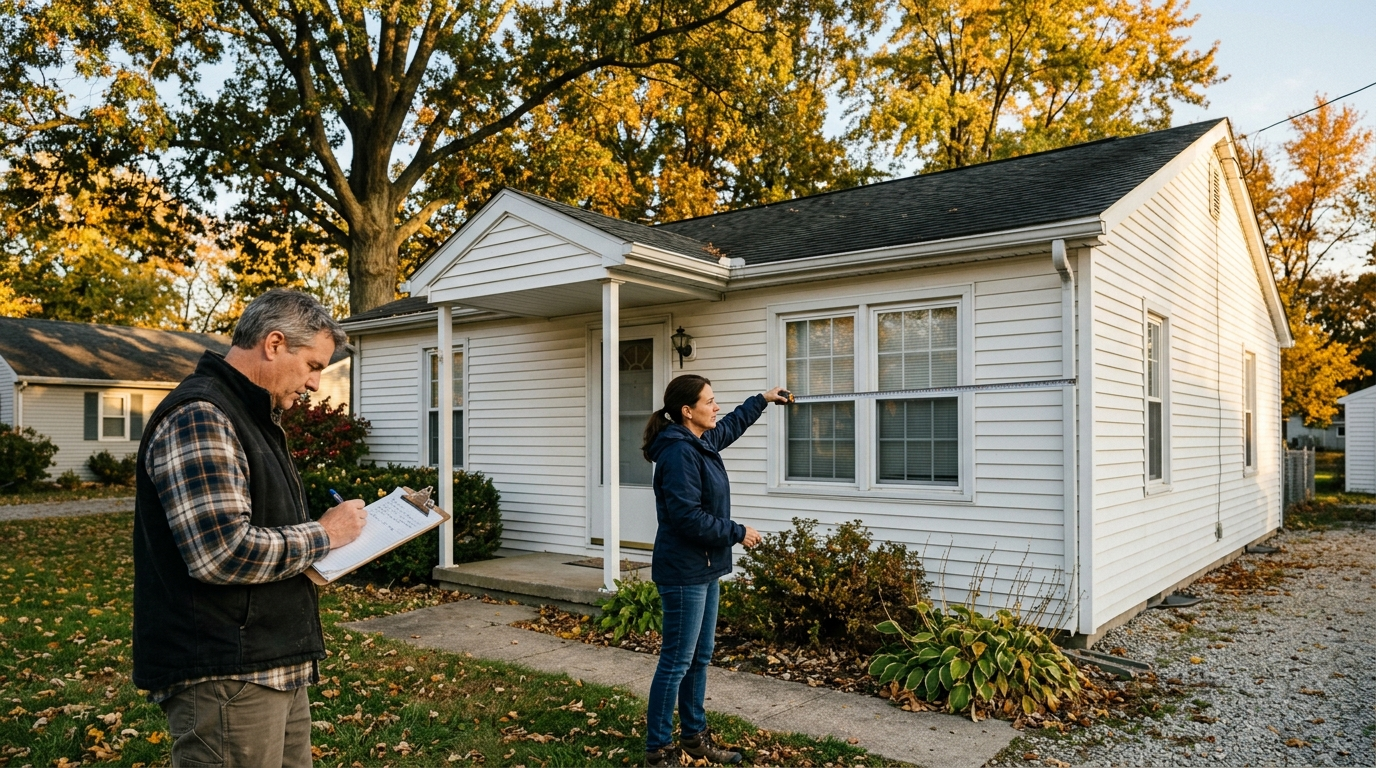
If your business owns or leases a building, stores inventory, or relies on equipment to operate, you need commercial property insurance. This coverage protects your physical assets from fire, theft, vandalism, and certain weather events.

Building coverage vs. contents coverage. If you own your building, you need coverage for the structure itself. If you lease space, you typically need contents coverage for your business personal property—furniture, equipment, inventory, and supplies. Many landlords require tenants to carry contents coverage.

Replacement cost vs. actual cash value. Replacement cost coverage pays to replace damaged property with new items of similar kind and quality. Actual cash value pays replacement cost minus depreciation. A five-year-old computer that's destroyed gets replaced with a new one under replacement cost coverage, but you'd only receive its depreciated value under actual cash value. Replacement cost costs more but provides significantly better protection.

Special Considerations for Ohio Weather

Ohio's weather brings risks that should factor into your property coverage decisions. Severe thunderstorms, occasional tornadoes, winter storms, and flooding all threaten business property. Standard commercial property policies cover wind and hail damage but exclude flood. If you're in a flood-prone area or even a moderate-risk zone, separate flood insurance through the National Flood Insurance Program or a private carrier is worth considering.

Workers' Compensation: Required for Most Ohio Employers

Ohio law requires most employers to carry workers' compensation insurance. If you have employees, you almost certainly need it. Even if you only have one part-time employee, workers' comp is likely mandatory.

What workers' compensation covers. Workers' comp pays medical expenses and lost wages for employees injured on the job, regardless of who was at fault. It also provides death benefits if an employee is killed in a work-related accident. In exchange for this coverage, employees generally cannot sue the employer for workplace injuries.

Ohio's state fund vs. private carriers. Ohio allows businesses to purchase workers' compensation through the state-run Ohio Bureau of Workers' Compensation or through private carriers. Private insurance often provides more flexibility, better service, and competitive pricing, especially for businesses with good safety records.

Penalties for non-compliance. Operating without required workers' comp coverage can result in fines, criminal charges, and personal liability for workplace injuries. Ohio takes workers' compensation requirements seriously. Don't skip this coverage if you have employees.

Classifications and Pricing

Workers' comp premiums are based on your business classification codes and payroll. Office workers cost less to insure than construction workers because the injury risk differs dramatically. Make sure your business is classified correctly—misclassification can result in overpaying or, worse, denied claims if the injury occurs during work that doesn't match your classification.

Professional Liability Insurance: Protecting Against Mistakes and Oversights

If your business provides advice, designs, professional services, or expertise that clients rely on, you need professional liability insurance, also called errors and omissions (E&O) insurance. This coverage protects you when your professional services fail to meet expectations or cause financial harm to a client.

Who needs professional liability. Consultants, accountants, lawyers, architects, engineers, real estate agents, insurance agents, IT professionals, and anyone who provides expert advice or services should carry professional liability coverage. Even if you have general liability, it won't cover professional mistakes.

What triggers a professional liability claim. A client claims your advice cost them money. A design error leads to project delays and financial losses. You miss a filing deadline that harms a client's case. An oversight in your work causes regulatory penalties for a customer. These are all professional liability claims, not general liability claims.

Claims-Made vs. Occurrence Coverage

Unlike general liability, which is typically occurrence-based, professional liability is almost always claims-made coverage. That means the claim must be made while your policy is active, not just that the incident occurred during the policy period. If you cancel a claims-made policy, you need tail coverage (also called extended reporting period coverage) to protect against future claims for past work.

Commercial Auto Insurance: Required for Business Vehicles

If your business owns vehicles, or if employees use their personal vehicles for business purposes beyond commuting, you need commercial auto insurance. Personal auto policies exclude business use, and that exclusion is enforced when claims arise.

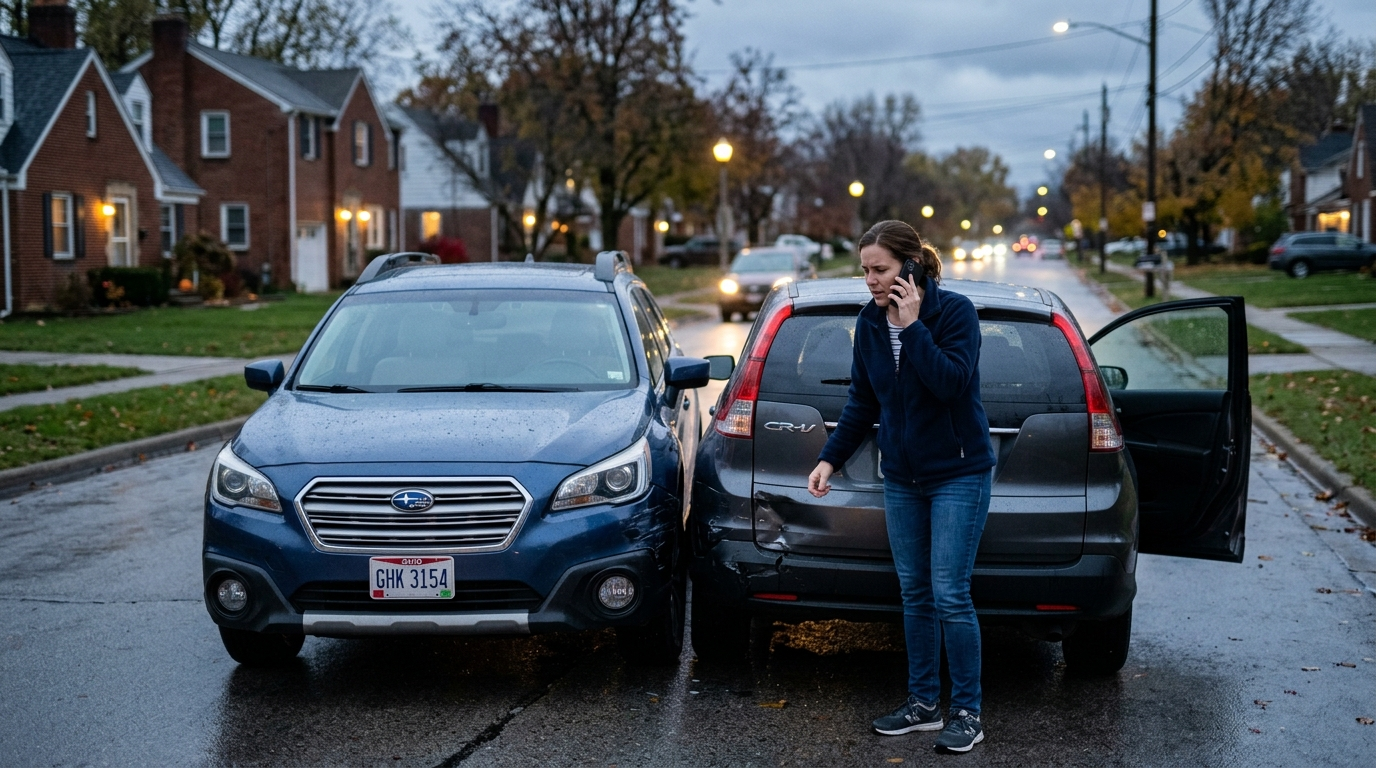
What commercial auto covers. Commercial auto insurance provides liability coverage for accidents your business vehicles cause, along with physical damage coverage for your own vehicles. It also covers medical payments, uninsured motorist coverage, and rental reimbursement, depending on how you structure the policy.

Hired and non-owned auto coverage. Even if your business doesn't own vehicles, you might need hired and non-owned auto coverage. This protects you when employees use personal vehicles for business errands or when you rent vehicles for business purposes. It's relatively inexpensive and fills a significant coverage gap for many small businesses.

Ohio's Minimum Auto Insurance Requirements

Ohio requires minimum liability limits of $25,000 per person for bodily injury, $50,000 per accident, and $25,000 for property damage. Those state minimums are far too low for most businesses. A serious accident can easily exceed those limits, leaving your business personally liable for the difference. Most businesses should carry at least $500,000 in auto liability coverage, and many carry $1 million.

Business Owner's Policy (BOP): Bundled Coverage That Saves Money

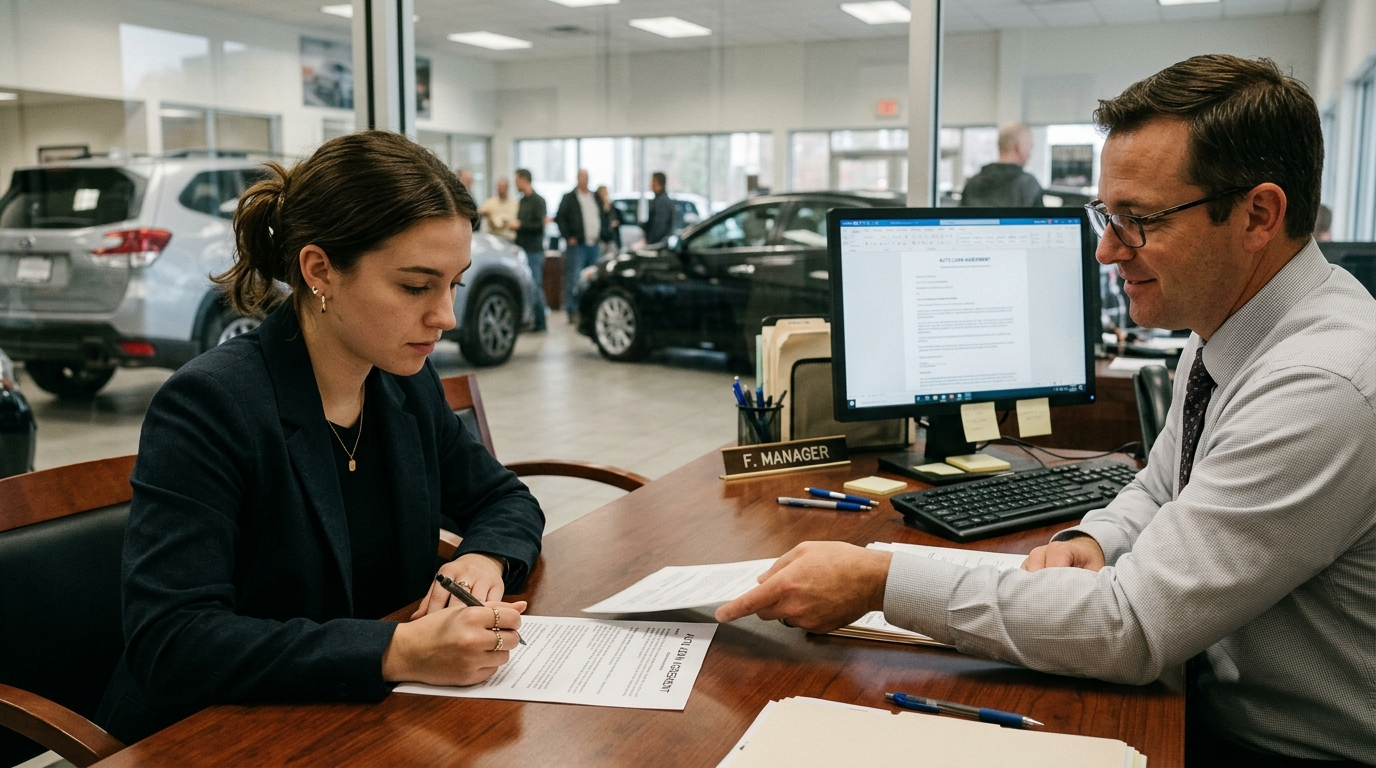
A Business Owner's Policy bundles general liability and commercial property insurance into a single package, often at a lower price than buying the coverages separately. BOPs are designed for small to medium-sized businesses with relatively standard risks.

What's typically included in a BOP. Most BOPs include general liability, commercial property (building and/or contents), business interruption insurance, and some additional coverages like equipment breakdown and crime coverage. The specific inclusions vary by carrier and how the policy is structured.

Who should consider a BOP. Retail stores, restaurants, small office businesses, and light manufacturing operations are often good BOP candidates. Highly specialized businesses or those with unusual risks might need customized coverage instead.

Business Interruption Coverage

One of the most valuable components of a BOP is business interruption insurance, also called business income coverage. If a covered loss—like a fire—forces you to close temporarily, business interruption coverage pays for lost income and ongoing expenses like rent and payroll. Many Ohio small businesses would fail without this coverage following a major property loss.

Cyber Liability Insurance: The Coverage Most Businesses Don't Have But Should

If your business stores customer data, accepts credit cards, maintains employee records digitally, or relies on computer systems to operate, you face cyber risk. A data breach, ransomware attack, or system failure can cost tens of thousands of dollars in response costs, legal fees, and lost business.

What cyber liability covers. Cyber insurance typically covers data breach response costs (notification, credit monitoring, legal fees), business interruption from system downtime, cyber extortion payments, and liability for compromised customer data. Some policies also cover recovery costs and public relations expenses.

Why small businesses are targets. Cybercriminals target small businesses because they often lack sophisticated security infrastructure. You don't need to be a major corporation to be hacked. Any business that processes payments or stores data is a potential target.

Working with Love Insurance Agency means we can evaluate your specific business risks and recommend the coverage mix that protects your operation without paying for coverage you don't need. Every business is different, and cookie-cutter insurance approaches leave gaps or create unnecessary expense.

Frequently Asked Questions

What commercial insurance is legally required for Ohio small businesses?

Workers' compensation is required for most Ohio employers with employees. Commercial auto insurance is required if your business owns vehicles. Beyond those, most commercial coverage is not legally mandated but is often required by leases, contracts, or lenders. General liability is almost always necessary even when not legally required.

How much does commercial insurance cost for a small business in Ohio?

Costs vary dramatically based on your industry, revenue, number of employees, and coverage needs. A small office-based consulting business might pay $1,500-$3,000 annually for a BOP and professional liability. A contractor with employees might pay $10,000-$20,000 or more for comprehensive coverage including workers' comp. The only way to know is to get quotes based on your specific business.

What's the difference between general liability and professional liability insurance?

General liability covers bodily injury and property damage you cause to others through accidents and negligence. Professional liability covers financial harm caused by mistakes, errors, or omissions in your professional services. A client slipping in your office is general liability. A client losing money because of your bad advice is professional liability.

Do I need commercial insurance if I work from home?

Yes, if you're operating a business. Your homeowners policy excludes business activities and won't cover business liability claims, business property, or professional errors. Depending on your business type, you might need general liability, professional liability, and business personal property coverage at minimum. Many carriers offer affordable in-home business policies.

Can I use my personal auto insurance for business driving?

No. Personal auto policies exclude business use beyond commuting. If you're driving to client sites, making deliveries, or using your vehicle for business purposes, you need either commercial auto insurance or a business use endorsement on your personal policy. Claims involving business use will be denied under standard personal auto policies.

A black outline icon of a telephone handset with a speech bubble above it, representing contact or messaging.

Get A Quote

At Love Insurance Agency, securing your future is easy. Ready to protect what matters? Contact us for a quick quote and personalized insurance options!

A black icon of a telephone handset.

Kelly

Speak to Kelly 24/7

A black, minimalist icon of a microphone on a white background.

Microphone ready


A thick, black checkmark symbol.

Start your custom insurance quote

A bold black checkmark on a white background.

Instant answers to your insurance questions

A black checkmark icon.

Schedule appointments or follow-ups

A line icon of a human figure standing next to a shield with a check mark inside it.

Personal Insurance

From auto and homeowners to renters and umbrella policies, we help protect your family and property. Let’s find coverage that fits your life.

Icon of city buildings, a stack of coins with a dollar sign, and a shield with a checkmark.

Commercial Insurance

We customize policies for your industry's risks, like general liability and workers' comp, ensuring you can run your business worry-free.

Contact Love Insurance Agency

A thick, black outline icon of a classic envelope.

info@segurosidealinc.com

Black outline icon of a telephone handset.
A black, outline-style map pin icon centered on a white background.

373 Center Street, STE A, Chardon, Ohio 44024, United States

Recent Posts

Two people work on laptops at a conference table, with headphones and papers visible in the foreground.
By Love Insurance Agency April 8, 2026
Discover how independent agents offer more choices, personalized service, and competitive rates. Learn why working with Love Insurance Agency makes sense.
A person in a gray blazer shakes hands with a smiling man in a denim jacket while a person in a tan trench coat watches.
By Love Insurance Agency April 8, 2026
Chardon homeowners can cut insurance costs with these five proven strategies. Get expert tips from Love Insurance Agency to lower your premiums today.