Physical Damage Coverage: What It Means and What It Pays For
Physical damage coverage meaning: what drivers actually need to know
Physical damage coverage is one of those terms that shows up on nearly every auto insurance policy, yet a surprising number of Ohio drivers aren't entirely sure what it means or what it actually pays for. If you've ever stared at a declarations page wondering whether your car is truly protected, this post is for you. The meaning is straightforward once you break it down, and understanding it can save you from a very expensive surprise after an accident, a hailstorm, or a run-in with a deer on Route 306.
What physical damage coverage actually means
Physical damage is the umbrella term for the portions of an auto insurance policy that pay to repair or replace your own vehicle. It is not liability coverage, which pays for damage you cause to someone else's car or property. Physical damage is about your car, your truck, your SUV, your motorcycle, or whatever you're driving.
Under that umbrella, there are two main components:
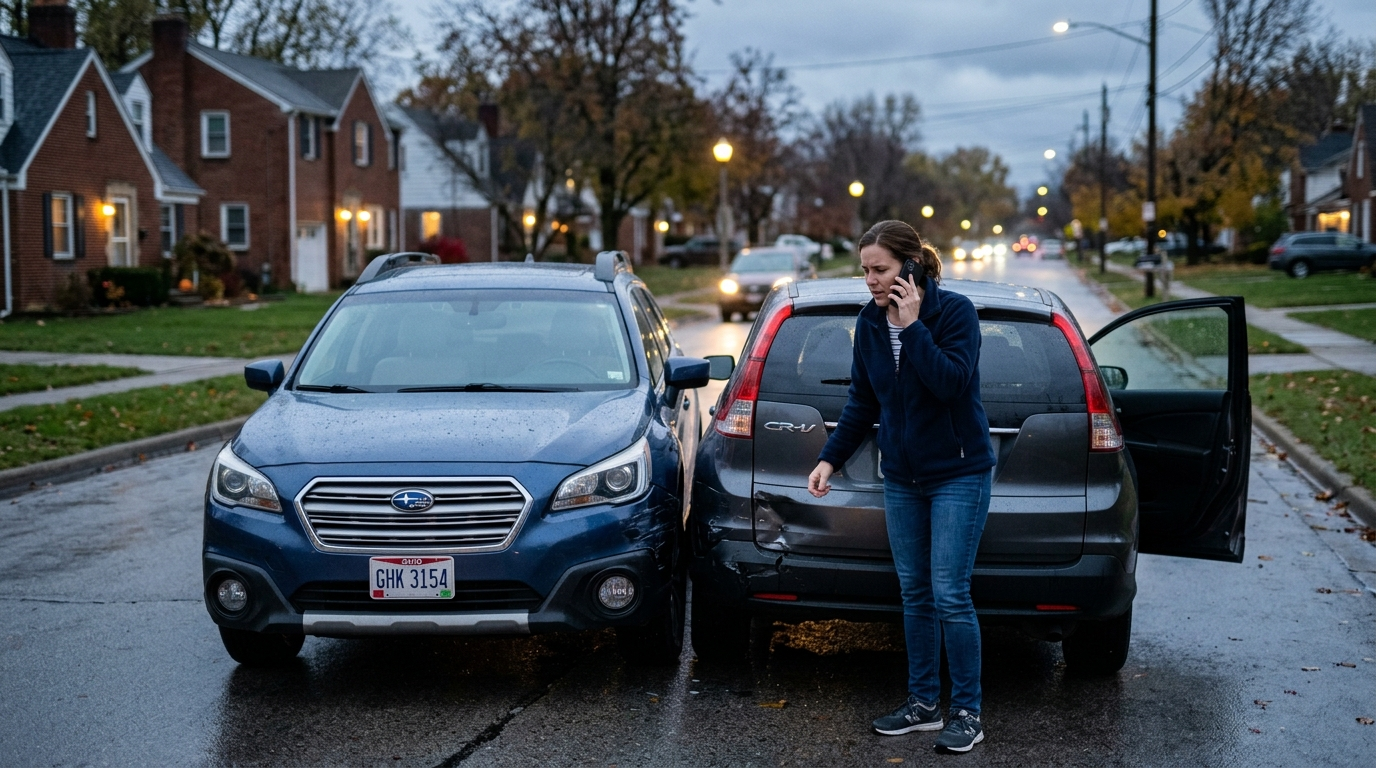
- Collision coverage pays for damage to your vehicle caused by a collision with another vehicle or object, regardless of who was at fault. You rear-end someone, you slide on ice into a guardrail on Route 44, another driver T-bones you at an intersection: collision picks up the repair bill (minus your deductible).
- Comprehensive coverage pays for damage from causes other than a collision. Think theft, fire, vandalism, falling objects, flooding, and the very common Ohio scenario of hitting a deer. Northeast Ohio has one of the higher deer-strike rates in the state, so comprehensive is not a coverage you want to skip.
Together, collision and comprehensive are what insurers and agents mean when they say "physical damage." You can usually buy them together or separately, though lenders and leasing companies almost always require both.
How physical damage coverage works in Ohio
Ohio does not require physical damage coverage by law. The Ohio auto insurance minimum requirements only mandate liability coverage: $25,000 for bodily injury per person, $50,000 per accident, and $25,000 for property damage. If you own your vehicle outright and choose to skip collision and comprehensive, you are legally allowed to do so. You're just responsible for the full repair or replacement cost if something goes wrong.
If you're financing or leasing a vehicle, the bank or leasing company sets its own rules. Almost universally, they require both collision and comprehensive with a maximum deductible of $500 or $1,000. Skip the coverage and they can force-place insurance on the vehicle, which is almost always more expensive and less favorable than a policy you choose yourself.
Deductibles and how they affect your payout
Physical damage claims work on a deductible model. You choose a deductible when you buy the policy, commonly $250, $500, $1,000, or $2,500. When you file a claim, you pay that amount first, and the insurer pays the rest (up to the actual cash value of the vehicle).
Higher deductibles lower your premium. Lower deductibles raise it. The right balance depends on how much you could realistically absorb out of pocket without financial strain. A $2,500 deductible on a five-year-old sedan might make sense for one driver and be a real hardship for another. There's no universal answer, but your agent can run the numbers to show you exactly how much premium you save at each deductible level.
Actual cash value vs. agreed value
Most personal auto policies pay out at actual cash value (ACV) , which is what your vehicle is worth in the market at the time of the loss, not what you paid for it or what it would cost to replace it with a brand-new equivalent. Depreciation is factored in. A three-year-old pickup that cost $42,000 new might only have an ACV of $28,000. If it's totaled, that's what you'd receive (minus your deductible).
Some specialty policies, particularly for classic cars, collector vehicles, or certain commercial fleets, offer agreed value or stated value coverage, where you and the insurer agree upfront on the car's worth. This matters for owners of vehicles that don't depreciate in the traditional sense.
What physical damage does not cover
Knowing the limits of physical damage coverage is just as important as knowing what it does cover. Here are the common exclusions drivers run into:
- Mechanical breakdown: if your engine fails, your transmission slips, or your brakes wear out from normal use, physical damage coverage does not apply. That's a maintenance or warranty issue, not an insurable loss.
- Personal belongings inside the vehicle: a laptop stolen out of your car is not covered by your auto policy's physical damage section. Your renters or homeowners policy is usually what covers personal property in a vehicle theft.
- Wear and tear or road damage to tires: a blowout from road hazards may be excluded depending on the policy language. Some carriers offer tire and wheel coverage as an add-on.
- Intentional damage: if you damage your own vehicle on purpose, coverage does not apply.
- Custom equipment not listed on the policy: aftermarket lift kits, audio systems, custom rims, and bed liners may not be covered unless you specifically scheduled them on the policy.
Physical damage coverage for vehicles beyond the standard car
Physical damage is not just a car-insurance concept. It applies across a wide range of vehicles, and the coverage rules and exclusions can vary depending on what you're insuring.
Motorcycles
Motorcycle policies in Ohio follow the same structure: collision and comprehensive together make up physical damage. Because motorcycles are more vulnerable to weather, road conditions, and theft than enclosed vehicles, comprehensive is especially worth carrying. Our post on motorcycle insurance in Ohio goes deeper on this if you ride.
RVs
Motorhomes and travel trailers have physical damage coverage too, but the policies are structured differently because an RV often doubles as a temporary living space. Comprehensive on an RV can cover the living quarters, awnings, and attached accessories in addition to the vehicle itself. If you tow a trailer with a standard auto policy, you may only have limited coverage on the trailer. Worth confirming before you head out on an Ohio summer road trip. See our guide to RV insurance in Ohio for more detail.
Commercial vehicles
Businesses with fleets need physical damage coverage too, but it typically sits inside a commercial auto policy rather than a personal one. The coverage mechanics are similar, but commercial policies often have different deductible structures, higher limits, and options for non-owned or hired vehicles. If you own a business and your employees drive company vehicles, a personal auto policy is not an adequate substitute.
When does it make sense to drop physical damage coverage?
This is a question agents hear often, and the honest answer is: it depends on the value of the vehicle relative to what you're paying.
A rough rule of thumb many agents use: if your annual premium for collision and comprehensive combined exceeds 10 percent of the vehicle's current actual cash value, dropping those coverages may make financial sense. For example, if your car is worth $4,000 and you're paying $600 a year for physical damage coverage, you'd need to go roughly seven years without a claim just to break even. Meanwhile, the most you could ever collect on a total-loss claim is $4,000 minus your deductible.
That math doesn't account for your personal financial situation, though. If you couldn't replace that $4,000 car without going into debt, keeping physical damage coverage might still be the right call. An independent agent can help you think through that tradeoff based on your specific numbers, not a generic formula.
Gap insurance and loan payoff coverage
If you financed a newer vehicle and you're underwater on the loan (meaning you owe more than the car is currently worth), gap insurance fills the difference between the ACV payout from your physical damage claim and the remaining loan balance. Without it, you could be making payments on a car that no longer exists. Gap coverage is usually inexpensive, often $20 to $40 per year added to an auto policy, and it's worth having on any financed vehicle where you put less than 20 percent down.
How Ohio weather makes physical damage coverage more relevant
If you live in Northeast Ohio, you already know the winters here are not gentle. The Cleveland area and surrounding Geauga, Lake, and Ashtabula counties sit in a notorious lake-effect snow belt. Vehicles here face road salt corrosion, ice-related accidents, flooding from spring snowmelt, and hailstorms that roll through in late spring and summer with almost no warning.
Comprehensive claims for hail damage are among the most common physical damage claims filed in Ohio. A single hailstorm can put $3,000 to $8,000 worth of dents and dings on a vehicle. Collision claims from winter accidents are similarly common. This isn't a hypothetical risk in Ohio; it's a regular occurrence, and your coverage should reflect that reality.
Deer strikes, especially in the more rural stretches between Chardon and Middlefield, are another frequent source of comprehensive claims. Ohio consistently ranks in the top ten states for deer-vehicle collisions. If you drive rural roads regularly, comprehensive coverage isn't optional in any practical sense.
Get the right physical damage coverage for your situation
Physical damage coverage isn't complicated once you understand the two components, how deductibles work, and what the policy won't cover. The harder part is choosing the right deductible, deciding whether to carry both collision and comprehensive or just one, and making sure specialty equipment or vehicles are properly covered. That's where a local, independent agent earns their keep.
Love Insurance Agency is an independent agency serving drivers and families across Northeast Ohio. Because we're independent, we work with multiple carriers and compare coverage options on your behalf, which means you're not locked into one company's rates or policy terms. Whether you're reviewing your current auto policy or building coverage for a new vehicle, we're here to walk you through the options in plain language.
Call us at (440) 527-5050 or contact us online to get a quote or just ask questions. No pressure, no sales pitch, just straight answers from people who know Ohio insurance.
Get A Quote
At Love Insurance Agency, securing your future is easy. Ready to protect what matters? Contact us for a quick quote and personalized insurance options!
Kelly
Speak to Kelly 24/7
Microphone ready
Start your custom insurance quote
Instant answers to your insurance questions
Schedule appointments or follow-ups
Personal Insurance
From auto and homeowners to renters and umbrella policies, we help protect your family and property. Let’s find coverage that fits your life.
Commercial Insurance
We customize policies for your industry's risks, like general liability and workers' comp, ensuring you can run your business worry-free.
Contact Love Insurance Agency
info@segurosidealinc.com
373 Center Street, STE A, Chardon, Ohio 44024, United States