Lake-Effect Snow and Car Insurance in Ohio: What Drivers Should Know
Lake-effect snow and car insurance in Ohio: what every driver needs to know
If you live in northeast Ohio, lake-effect snow is not a rare weather event you read about in the news. It is a seasonal reality that turns familiar roads into accident scenes in a matter of hours. Drivers in Chardon, Mentor, Painesville, and other communities east of Cleveland can see 100 or more inches of snow per year because of moisture rolling off Lake Erie. That kind of snowfall puts real pressure on your car insurance, and understanding how your policy responds before a storm hits can save you a lot of money and frustration.
What lake-effect snow actually does to vehicles
Lake-effect events differ from a typical winter storm. Instead of a slow buildup across a wide area, lake-effect bands are narrow and intense. You can drive out of sunshine and into whiteout conditions within a few miles. That combination of speed, poor visibility, and icy pavement creates specific risks that your auto policy needs to address.
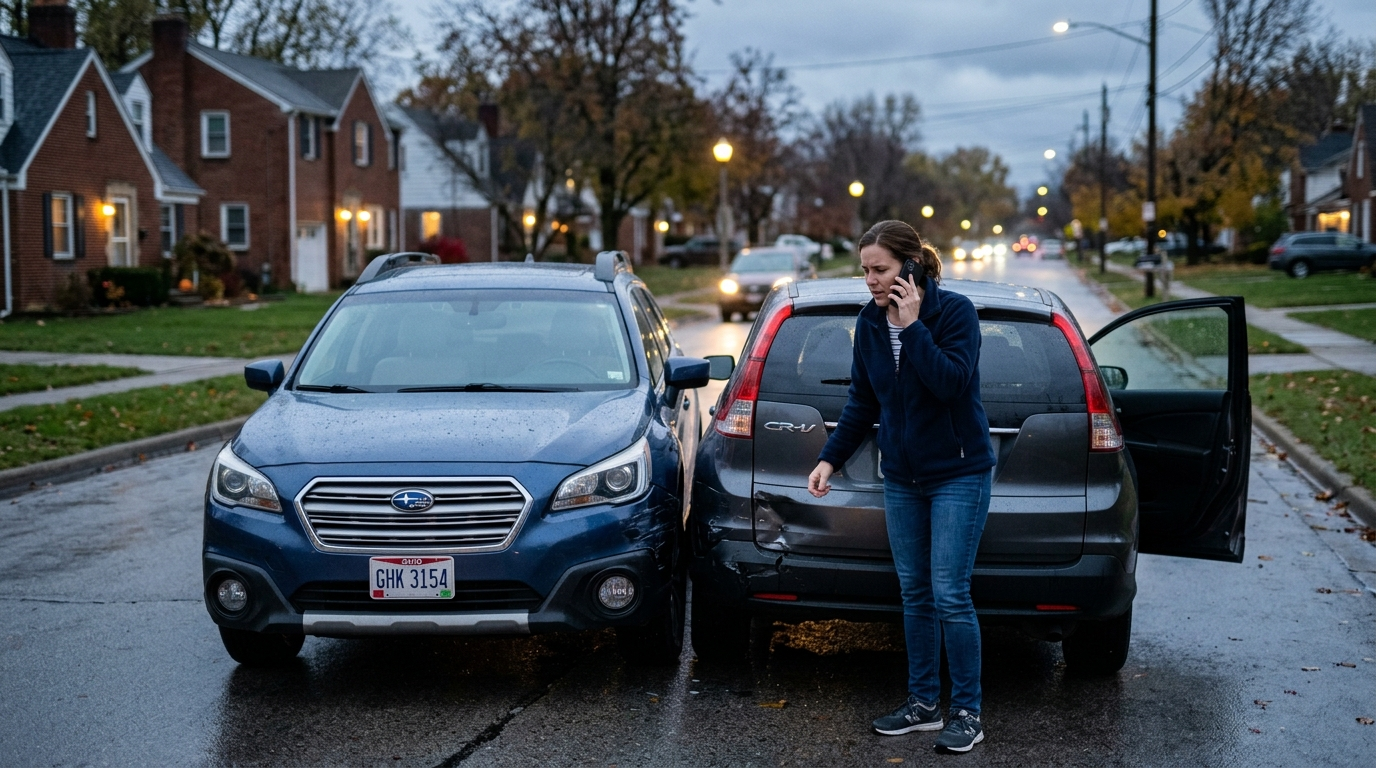
- Collision damage: Skidding on black ice, rear-end collisions in reduced visibility, and sliding off unplowed back roads are the most common claims during lake-effect events in Ohio.
- Comprehensive damage: Falling tree limbs and branches weighted down by heavy, wet snow can land on parked cars. Flooding from rapid snowmelt can seep into low-lying vehicles. Both fall under comprehensive coverage, not collision.
- Undercarriage and brake corrosion: Repeated exposure to road salt accelerates rust on brake lines, wheel wells, and frames. This is a maintenance issue rather than an insurance claim, but it raises long-term repair costs for Ohio drivers.
- Total loss scenarios: A vehicle buried or crushed by a snowplow berm or a collapsed carport is more common than most people expect. If the repair estimate exceeds the actual cash value of the car, the insurer will declare it a total loss.
Which coverages actually pay out after a snow-related incident
Not all car insurance pays for every winter scenario. Ohio is a fault-based state , meaning the driver who caused the accident is responsible for the damages. Here is how the main coverages map to lake-effect situations.
Collision coverage
If you slide on an icy road and hit another car, a guardrail, or a utility pole, collision coverage pays to repair or replace your vehicle after you meet your deductible. This coverage is optional if your car is paid off, but lenders require it on financed vehicles. Given how often northeast Ohio roads ice over between November and March, dropping collision to save a few dollars per month is a risk worth thinking through carefully.
Comprehensive coverage
Comprehensive handles damage that is not a collision: a tree limb crushing your roof under the weight of wet snow, a deer struck during a whiteout, or hail that falls just before a lake-effect band moves through. It also covers theft, which rises when people leave cars running unattended to warm up in winter. Comprehensive deductibles are often set lower than collision deductibles, sometimes as low as $100 to $250, making claims for moderate damage worth filing.
Uninsured and underinsured motorist coverage
Ohio requires drivers to carry minimum liability limits of $25,000 per person / $50,000 per accident / $25,000 for property damage (commonly written as 25/50/25). The problem is that a serious multi-car pileup on Interstate 90 during a lake-effect event can generate damages far beyond those minimums. If the at-fault driver carries only the state minimum, your own uninsured and underinsured motorist coverage steps in to cover the gap. This is one coverage northeast Ohio drivers should not skip.
Medical payments coverage
Medical payments (MedPay) coverage pays your medical bills regardless of fault. If you are injured in a snow-related accident, MedPay can cover emergency room costs, ambulance fees, and follow-up care without waiting for a fault determination. Ohio does not require MedPay, but it is relatively inexpensive to add and provides fast access to funds when you need them most.
Rental reimbursement and roadside assistance
These add-on coverages are easy to overlook until your car is in the shop for two weeks after a winter crash. Rental reimbursement typically pays between $30 and $50 per day up to a set limit. Roadside assistance covers towing, which is in high demand after multi-car pileups close highway ramps and leave stranded vehicles on back roads in Geauga and Lake counties.
Ohio minimum coverage is not enough for lake-effect country
The state's 25/50/25 minimums were last updated in 2013. Construction costs, medical bills, and vehicle prices have all risen substantially since then. A single-car accident involving a low-value vehicle might stay within those limits, but a three-car chain-reaction crash on a snow-covered State Route 2 can exceed $100,000 in total damages quickly. Drivers in high-snowfall counties should seriously consider limits of at least 100/300/100 and a personal umbrella policy on top of that for additional protection.
For a full breakdown of what Ohio requires and what it actually means for your wallet, the post on Ohio auto insurance minimum requirements walks through the numbers in detail.
How lake-effect claims affect your premium
One common concern is whether filing a weather-related claim will raise your rate. The honest answer is that it depends on the carrier and your claims history.
Comprehensive claims (falling trees, hail, flooding) are generally treated more favorably than collision claims because the driver had no control over the event. Many carriers will not surcharge a single comprehensive claim. However, two or three claims in a short window, whether comprehensive or collision, can push you into a higher risk tier at renewal.
A few practical points to keep in mind:
- Document everything immediately. Take photos and videos of the damage, road conditions, and any visible ice or snow accumulation before anything is moved or cleaned up.
- File promptly. Ohio does not set a short statutory deadline for first-party auto claims, but most carriers expect notice "as soon as practicable." Delays can complicate coverage.
- Compare your deductible to the repair estimate. If the damage is only slightly above your deductible, paying out of pocket might be smarter than filing and potentially triggering a surcharge at renewal.
- Ask about accident forgiveness. Some carriers offer this feature, either automatically or as an endorsement, and it prevents your first at-fault accident from raising your rate.
Choosing the right deductible for a high-snowfall area
Drivers in Chardon and Geauga County often ask whether they should raise their deductibles to lower their premiums. That strategy can make sense in areas where claim frequency is low. Northeast Ohio is not that area. When a 24-inch lake-effect dump hits Chardon, body shops fill up within 48 hours and tow trucks run around the clock. The probability of needing your coverage is higher here than in central or southern Ohio.
A practical approach: keep your comprehensive deductible relatively low, around $250 to $500, because falling-object and weather claims are harder to avoid. If you are a careful driver with a solid emergency fund, you can set your collision deductible higher, at $1,000 or more, to reduce your premium while absorbing smaller fender-benders yourself.
The math shifts if you are driving an older vehicle worth less than $5,000. At that point, carrying both collision and comprehensive may not pencil out. Dropping physical damage coverage on a low-value car is a real option, but only once the car is paid off and you can absorb the loss. You can read more about how physical damage coverage works before making that call.
Gap insurance and financed vehicles in Ohio
If you financed or leased your vehicle, gap insurance is worth serious consideration in Ohio's winter driving environment. The scenario it protects against: you total your car in a lake-effect accident, your insurer pays you the actual cash value, and that amount is still $3,000 to $5,000 less than what you owe on the loan. You are then making payments on a car you no longer have. Gap insurance covers that difference. It is especially relevant for newer vehicles that depreciate quickly and for buyers who made a small down payment. Learn more about gap insurance in Ohio and whether it fits your situation.
Practical steps to protect yourself before the next storm
Insurance is only one piece of the winter preparedness picture. The following steps reduce your risk of a claim in the first place and put you in a stronger position if one does happen.
- Review your policy before November. Confirm your collision and comprehensive deductibles, your liability limits, and whether you have rental reimbursement and roadside assistance active.
- Switch to winter tires. All-season tires lose significant grip below 45 degrees Fahrenheit. Dedicated winter tires reduce stopping distances on snow and ice by up to 25 percent, which is the difference between a near-miss and a claim.
- Keep an emergency kit in the vehicle. A shovel, traction mats, jumper cables, a blanket, and a flashlight are minimal gear for anyone driving Geauga or Lake County roads in January.
- Watch the National Weather Service lake-effect forecasts. The Cleveland NWS office issues lake-effect snow warnings and advisories that are more specific and useful than general winter storm alerts. When a warning is posted for your county, take it seriously.
- Allow extra stopping distance and slow down. Most lake-effect collisions involve following too closely or driving too fast for conditions. No coverage amount compensates for a serious injury.
Work with Love Insurance Agency for the right coverage this winter
Love Insurance Agency is an independent insurance agency serving drivers across northeast Ohio, including the high-snowfall communities of Chardon, Mentor, Painesville, and surrounding Geauga and Lake county areas. Because we are independent, we shop your coverage across multiple carriers to find the combination of limits, deductibles, and price that fits how and where you drive.
If you are not sure whether your current auto policy is set up to handle a serious lake-effect event, now is the right time to find out. Waiting until you are filing a claim is the worst possible moment to discover a coverage gap. Call us at (440) 527-5050 or get in touch online and let us review your policy before the next storm rolls in off the lake.
Get A Quote
At Love Insurance Agency, securing your future is easy. Ready to protect what matters? Contact us for a quick quote and personalized insurance options!
Kelly
Speak to Kelly 24/7
Microphone ready
Start your custom insurance quote
Instant answers to your insurance questions
Schedule appointments or follow-ups
Personal Insurance
From auto and homeowners to renters and umbrella policies, we help protect your family and property. Let’s find coverage that fits your life.
Commercial Insurance
We customize policies for your industry's risks, like general liability and workers' comp, ensuring you can run your business worry-free.
Contact Love Insurance Agency
info@segurosidealinc.com
373 Center Street, STE A, Chardon, Ohio 44024, United States