Travel Insurance: What It Covers and When Ohio Travelers Need It
Travel insurance: what it covers and why Ohio travelers need it
If you have ever had a flight canceled out of Cleveland Hopkins, missed a cruise departure because of a winter storm on I-90, or come down sick in another country, you already know that travel does not always go as planned. Travel insurance covers the financial losses that pile up when those situations happen , and for many Ohio travelers, the math on buying a policy is more straightforward than most people realize. This post covers what travel insurance covers, what it does not, and when it makes sense to buy it before your next trip.
What travel insurance actually covers
Travel insurance is not a single product. It is a bundle of several different protections sold together under one policy. Understanding each piece helps you figure out what you are actually paying for.
Trip cancellation and interruption
Trip cancellation reimburses prepaid, non-refundable expenses when you have to cancel before you leave for a covered reason. Trip interruption does the same when something forces you to cut a trip short and come home early. Covered reasons typically include:
- Illness or injury affecting you, a travel companion, or a close family member before or during the trip
- Death of a family member or travel companion
- Severe weather such as a hurricane, blizzard, or other declared disaster that makes the destination uninhabitable or inaccessible
- Jury duty or a court subpoena issued after you purchased the policy
- Involuntary job loss after the policy purchase date, on some plans
- Bankruptcy of an airline, cruise line, or tour operator
Cancellation benefits typically reimburse 100% of your non-refundable trip cost . Interruption benefits often cover up to 150% of your trip cost, since coming home early can mean buying a last-minute one-way ticket at full price.
Emergency medical and evacuation
This is the coverage most Ohio travelers underestimate. Your standard health insurance, and in many cases even a good employer plan, may pay little or nothing outside the United States. Medicare and Medicaid generally do not cover care abroad at all.
Emergency medical coverage in a travel policy pays for hospital stays, physician visits, surgery, and prescription drugs if you get sick or injured while traveling. Limits vary widely, but a solid international policy carries at least $100,000 in medical benefits , and many carry $250,000 or more.
Emergency evacuation coverage is separate and arguably more important. If you need to be airlifted from a remote mountain trail or medically transported from a Caribbean island to a U.S. hospital, the bill can easily reach $50,000 to $200,000 . A standard travel policy covers that cost. Without it, you pay out of pocket or rely on a credit card that may not have sufficient benefits.
Baggage loss, delay, and theft
Baggage loss covers the value of your belongings if an airline permanently loses your luggage or your bags are stolen. Limits are typically $1,500 to $3,000 per person , with per-item sub-limits for electronics, jewelry, and cameras. If you are traveling with high-value items, check whether you need a separate floater or a scheduled personal property endorsement.
Baggage delay is a smaller but useful benefit. If your checked bags arrive more than a set number of hours late (often 12 hours), the policy reimburses you for emergency purchases like toiletries and a change of clothing, usually up to $200 to $300 .
Travel delay
When a covered delay forces you to stay overnight or wait for an extended period, this benefit reimburses hotel costs, meals, and ground transportation. Most policies require a minimum delay of 6 to 12 hours before benefits kick in. Covered causes typically include severe weather, mechanical issues, or a missed connection caused by a delayed incoming flight.
Cancel for any reason (CFAR)
Cancel for any reason is an optional upgrade, not a standard benefit. It lets you cancel your trip for literally any reason and recover a portion of your prepaid costs, typically 50% to 75% . You usually have to buy it within 10 to 21 days of your first trip deposit and insure the full trip cost. If you have a trip booked but are uncertain about your plans, CFAR gives you flexibility that standard cancellation does not.
What travel insurance does not cover
Knowing the exclusions is just as important as knowing the benefits. Common reasons claims get denied include:
- Pre-existing conditions. Most policies exclude medical claims related to a condition you had before buying the policy, unless you purchase within the look-back window (often 10 to 21 days from your first deposit) and meet the waiver requirements.
- Change of mind. Deciding you simply do not want to go is not a covered reason unless you purchased CFAR.
- Known events. If a hurricane is already named and heading toward your destination before you buy the policy, it is a known event and is excluded.
- High-risk activities. Some adventure sports such as skydiving, bungee jumping, or off-piste skiing may be excluded unless you add a rider.
- Travel against government advisories. Some policies will not cover losses in destinations with a Level 3 or Level 4 U.S. State Department travel advisory.
- Alcohol or drug-related incidents. Injuries that occur while intoxicated are commonly excluded.
Reading the policy's covered-reasons list before you buy is not optional. It is the difference between a claim that pays and one that does not.
When does travel insurance make the most sense for Ohio residents?
Travel insurance is not the right purchase for every trip. Below is a practical framework for thinking through when it is worth the cost, which typically runs 4% to 10% of total trip cost .
International travel
This is the clearest case for buying coverage. Medical costs abroad can be staggering, evacuation costs can be catastrophic, and your U.S. health plan may provide minimal or no coverage. If you are flying overseas from Cleveland, Columbus, or any other Ohio airport, buying travel insurance is nearly always the right call.
Expensive or heavily prepaid trips
A cruise, a European river tour, or a safari booked months in advance often involves $5,000 to $20,000 or more in non-refundable deposits. At that dollar amount, losing the trip to an illness or a family emergency without insurance is a real financial blow. The cost of insuring a $10,000 trip is typically $400 to $800, which is reasonable protection against a total loss.
Traveling with older family members or managing health conditions
If you are traveling with aging parents or grandparents, or if you yourself have an ongoing health situation, the risk of a medical emergency during a trip is higher. Buying a policy early and meeting the pre-existing condition waiver window protects against what is often the most expensive travel risk.
Trips during Ohio's shoulder seasons
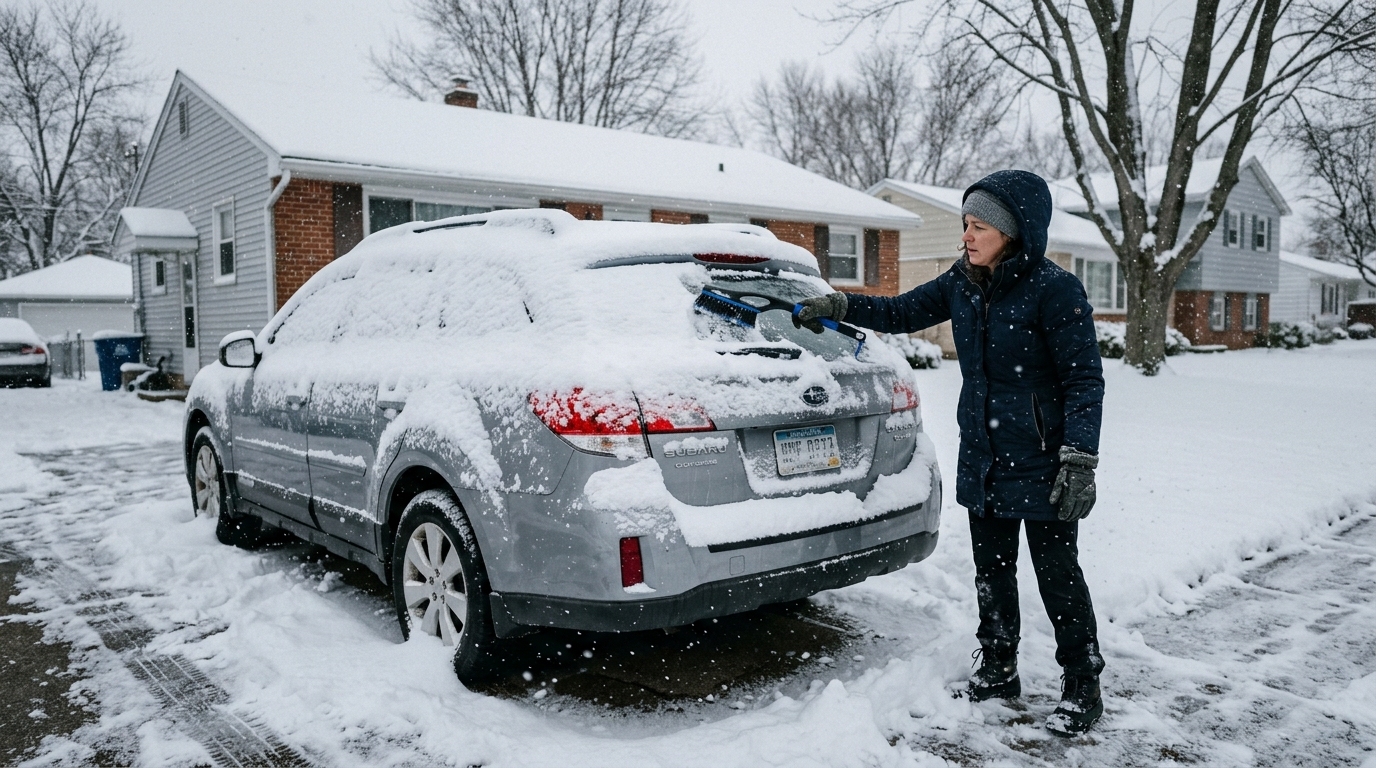
Anyone driving out of Northeast Ohio in January or February knows that lake-effect snow and freezing rain do not care about your flight schedule. Buying travel insurance for winter trips gives you a cushion if a weather event at Cleveland Hopkins, Akron-Canton, or your connection airport disrupts your departure.
When you might skip it
For a short domestic trip where flights are refundable, hotels are cancelable, and your health insurance covers you at your destination, travel insurance adds less value. A weekend drive to Columbus or a quick flight to Chicago on a refundable fare probably does not need a full travel policy.
Types of travel insurance policies
Travel insurance comes in two main forms. A single-trip policy covers one specific trip and is priced based on your age, trip cost, trip length, and destination. It is the most common purchase for a one-time big trip.
An annual multi-trip policy covers all trips you take within a 12-month period, up to a per-trip length limit (often 30 or 60 days per trip). If you travel more than two or three times a year, an annual policy can cost less overall and is far more convenient. Many Ohio families who take a mix of domestic and international trips each year find annual plans to be the better value.
Some credit cards also offer limited travel protections as a cardholder benefit. These can be useful, but they are often narrower in scope than a standalone policy, with lower medical limits, no evacuation coverage, and more restrictive covered-reason lists. Read the benefits guide for your card, but do not assume it is a full substitute for a dedicated travel insurance policy on a significant trip.
How to compare and buy travel insurance in Ohio
Ohio does not mandate travel insurance or regulate it the way auto or homeowners insurance is regulated, but travel insurance policies sold in Ohio must be filed with the Ohio Department of Insurance. That means the carriers and the policy terms have gone through a review process, which provides a baseline of consumer protection.
When comparing plans, look at these numbers side by side:
- Medical limit: aim for at least $100,000 for international trips, ideally $250,000 or more
- Evacuation limit: $500,000 or higher is a reasonable benchmark for international travel
- Cancellation coverage: make sure it equals 100% of your total trip cost
- Pre-existing condition waiver window: if relevant, buy quickly after your first deposit
- Deductibles: some medical sections carry a deductible; lower is better
Working with an independent insurance agent gives you access to multiple carriers and policy options rather than being limited to a single insurer's product. An agent can also help you read the covered-reasons list so you understand what is and is not protected before you commit.
For a look at how travel insurance fits within your broader personal insurance picture, see Love Insurance Agency's personal insurance overview or go directly to the travel insurance page to learn about the specific options available through our carriers.
Get the right travel coverage before your next trip
Travel insurance is one of those products that feels unnecessary right up until the moment you need it. A sudden illness, a canceled flight that cascades into a missed cruise, or a medical emergency in another country can turn a dream trip into a serious financial setback without the right coverage in place.
Love Insurance Agency is an independent insurance agency serving Ohio residents from our office in Chardon. Because we work with multiple carriers, we can compare travel insurance options on your behalf and help you find a policy that fits your trip, your health situation, and your budget. We are not locked into one company's products, so our goal is always to get you the right coverage at a fair price.
Call us at (440) 527-5050 or reach out through our contact page to talk through your upcoming trip and get a travel insurance quote. We would rather spend a few minutes helping you get this right than see you come home from a trip dealing with a loss that should have been covered.
Get A Quote
At Love Insurance Agency, securing your future is easy. Ready to protect what matters? Contact us for a quick quote and personalized insurance options!
Kelly
Speak to Kelly 24/7
Microphone ready
Start your custom insurance quote
Instant answers to your insurance questions
Schedule appointments or follow-ups
Personal Insurance
From auto and homeowners to renters and umbrella policies, we help protect your family and property. Let’s find coverage that fits your life.
Commercial Insurance
We customize policies for your industry's risks, like general liability and workers' comp, ensuring you can run your business worry-free.
Contact Love Insurance Agency
info@segurosidealinc.com
373 Center Street, STE A, Chardon, Ohio 44024, United States