
Ohio Hail Damage Insurance Claims: A Step-by-Step Guide in Ohio
What to do right after a hail storm hits your Ohio home
Filing an Ohio hail damage insurance claim can feel overwhelming, especially when you are standing in your driveway looking at a dented car, a beaten-up roof, and shredded gutters. Northeast Ohio sees some of the most active severe weather in the state, and Geauga, Lake, and Cuyahoga counties regularly take direct hits from spring and summer hail storms that produce stones anywhere from pea-sized to golf-ball-sized. When you know the process, a hail claim does not have to be a nightmare. The steps below take you from the moment the storm passes to the day your check clears.
Why Ohio homeowners face frequent hail claims
Ohio sits in a region meteorologists call the "secondary hail belt," a corridor stretching from the Great Plains through the Great Lakes states. The collision of cold Canadian air with warm, moist air rising off Lake Erie creates the kind of convective thunderstorms that produce large hail. According to the National Oceanic and Atmospheric Administration, Ohio recorded more than 200 hail events in a single recent year, with the Cleveland metro and surrounding counties accounting for a significant share.
Hail damage is not always visible from the ground. A stone just three-quarters of an inch in diameter (roughly the size of a dime) can crack asphalt shingles, puncture aluminum flashing, and leave soft-metal dents on gutters and air conditioning units. Because the damage is often subtle at first, many Ohio homeowners miss it entirely until water intrusion shows up on a ceiling six months later, well past the point where the connection to a specific storm is easy to prove.
Step-by-step: how to file an Ohio hail damage insurance claim
Step 1: document everything before you touch anything
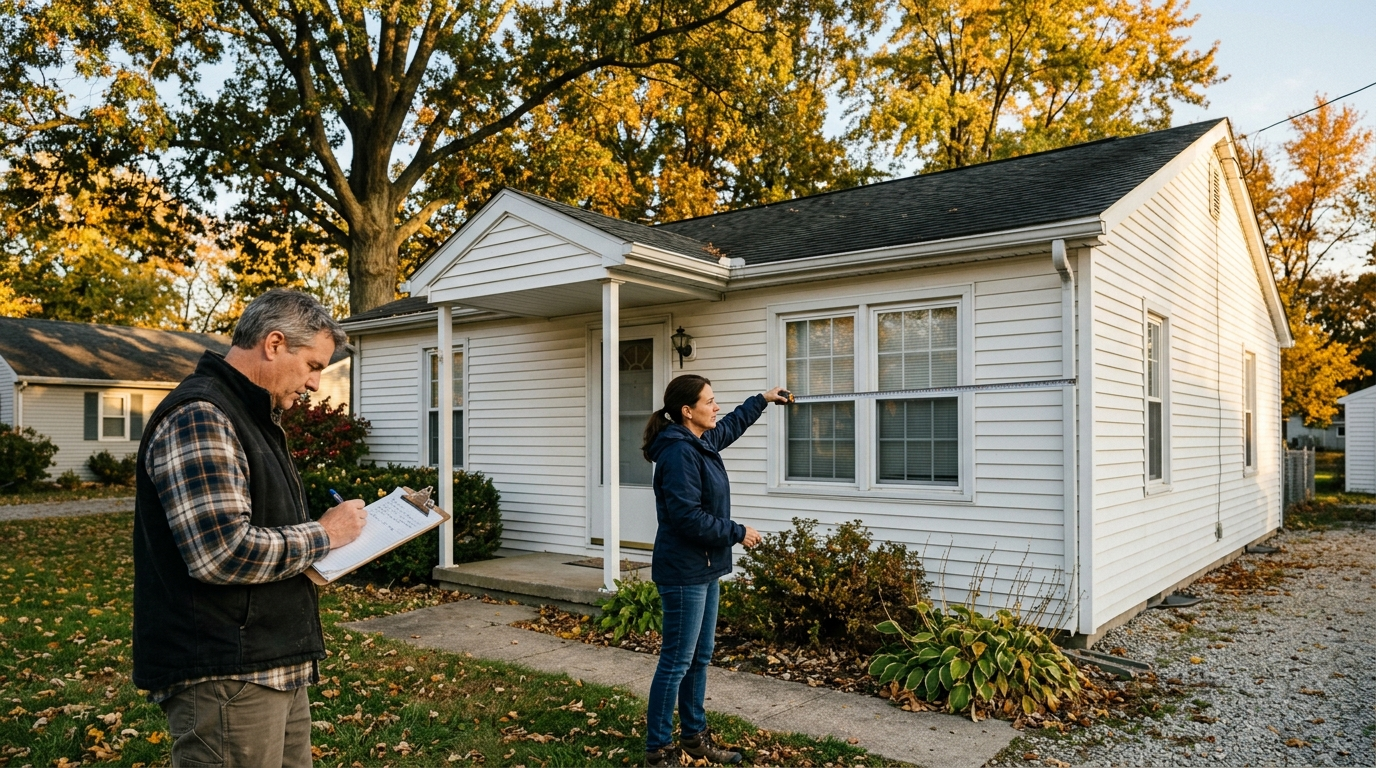
As soon as it is safe to go outside, walk your entire property with your phone and take photos and video of every affected surface. Shoot the roof from multiple angles if you can do so safely from a ladder placed at the edge, but do not walk on damaged shingles. Photograph dented gutters, cracked skylights, damaged window screens, bruised siding, and any impact marks on your vehicles. Note the date and time of the storm, and save any local news reports or weather alerts that confirm the event. This documentation is the foundation of your claim.
Step 2: review your homeowners policy before you call
Pull out your declarations page and look for three things: your dwelling deductible , whether you have a separate wind and hail deductible , and whether your policy pays actual cash value (ACV) or replacement cost value (RCV) for the roof. Ohio insurers have increasingly moved to ACV roof endorsements, which depreciate the value of older shingles. On a 15-year-old roof, the depreciation deduction can be thousands of dollars. Knowing this before you call helps set realistic expectations and avoids surprises at settlement time.
Some Ohio policies also carry a separate wind and hail deductible expressed as a percentage of your home's insured value rather than a flat dollar amount. A 1% deductible on a $300,000 home means you absorb the first $3,000 of any hail claim. That is not unusual, but it is worth knowing upfront. For a closer look at how homeowners policy costs and structures work in Ohio, our guide on how much homeowners insurance costs in Ohio breaks down the key variables.
Step 3: make temporary repairs to prevent further damage
Ohio law and your policy both require you to mitigate further damage after a loss. If a storm punches through a skylight or tears away flashing, you are expected to place a tarp or board over the opening before the next rain. Keep every receipt for materials and labor because your insurer is required to reimburse reasonable mitigation costs under a standard homeowners policy. Do not make permanent repairs or replace anything before an adjuster has inspected the damage. Doing so can give the carrier grounds to dispute portions of your claim.
Step 4: report the claim promptly
Contact your insurance company as soon as possible. Ohio does not set a statutory deadline for filing a homeowners property claim, but every policy contains its own "prompt notice" requirement. Waiting weeks or months can give the carrier a basis to question whether all of the damage is from the storm you are claiming. When you report, get a claim number and the adjuster's direct contact information. Write down the name of every person you speak with and the date and time of each call.
Step 5: get your own independent estimate
The insurance company will send an adjuster who works for the carrier. Their job is to assess the damage accurately, but they are also working within cost guidelines set by their employer. Before or shortly after the adjuster's visit, get at least one written estimate from a licensed Ohio roofing contractor you found yourself. Ask the contractor to use Xactimate line-item pricing, which is the same software most adjusters use, so you can do a direct comparison. If the contractor's scope of damage is significantly larger than the adjuster's, you have specific numbers to negotiate with.
Step 6: review the adjuster's report carefully
The carrier will send you a written estimate called a "scope of loss." Read it line by line. Common items that adjusters undercount or omit on Ohio hail claims include valley flashing replacement, drip edge, pipe boot flashings, ridge cap shingles, attic ventilation components, and the cost of a full "tear-off" when shingles are already layered. Ohio's residential building code (ORC Chapter 3781) prohibits more than two layers of shingles on most residential roofs, which means a re-roof to code often requires a full tear-off even if the adjuster only wrote for a patch. That tear-off labor is a legitimate line item.
Step 7: negotiate or invoke the appraisal clause if needed
If you and your insurer cannot agree on the amount of the loss, most Ohio homeowners policies include an appraisal clause as an alternative to litigation. Under this process, you hire your own licensed appraiser, the insurer hires theirs, and the two appraisers select a neutral umpire. The umpire's award is binding. This process is less expensive and faster than going to court, and it is worth knowing about before you accept a settlement that feels too low. You can also file a complaint with the Ohio Department of Insurance (ODI) if you believe the carrier is acting in bad faith. The ODI handles consumer complaints and has authority to investigate claim handling practices.
Step 8: understand the recoverable depreciation process
If your policy pays replacement cost, the carrier typically pays in two stages. First, they release the actual cash value (replacement cost minus depreciation). After you complete the repairs and submit proof, they release the recoverable depreciation (the withheld amount). Do not spend all of the ACV check and skip the repairs expecting to pocket the difference. Most RCV policies require you to actually repair or replace the damaged item within a set timeframe, commonly 180 to 365 days, to unlock the held-back depreciation.
Hail damage to your car: what auto insurance covers
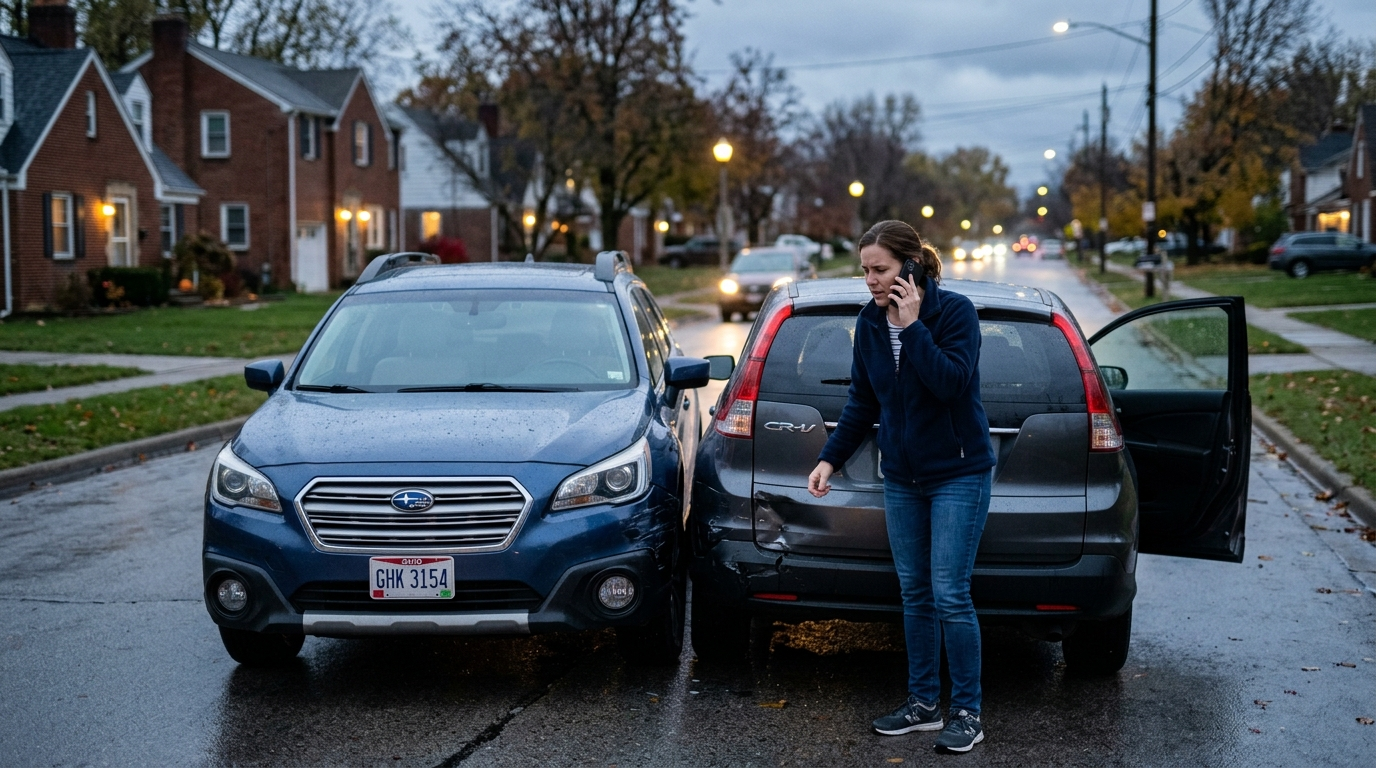
Hail damage to a vehicle is covered under the comprehensive portion of an auto policy, not collision. Comprehensive is optional in Ohio, so if you dropped it on an older vehicle to save money, a hail storm will not be covered. If you do have comprehensive, your car deductible applies separately from your homeowners deductible, meaning a single storm can trigger two deductibles at once. For vehicles with significant pre-existing damage or depreciated value, it is worth asking your body shop for a written estimate before deciding whether to file, since filing a claim for a repair that barely exceeds your deductible can affect your rate at renewal.
Common mistakes Ohio homeowners make with hail claims
- Signing a "direction to pay" contract with a storm-chasing roofer. This assigns your claim benefits directly to the contractor. You lose negotiating leverage and can be on the hook if the contractor disappears or does substandard work. Use a licensed, local Ohio roofing contractor instead.
- Waiting too long to file. Hail damage can look minor but compound quickly. A cracked shingle leads to a leak, which leads to decking rot, which leads to a much more expensive repair that is harder to trace to the original storm.
- Not reading the ACV vs. RCV language on your roof. This single policy detail can be the difference between a full roof replacement and a payment that covers only a fraction of the cost.
- Accepting the first settlement without review. Adjusters can miss items. Getting an independent contractor estimate and comparing scopes takes a few days and can recover thousands of dollars.
- Letting the contractor "waive your deductible." This is insurance fraud under Ohio law (ORC 3901.19). A contractor who offers to waive or absorb your deductible in their pricing is inflating the claim to the carrier. It can result in claim denial or policy cancellation.
How your homeowners policy structure affects the payout
Not all Ohio homeowners policies handle hail the same way. Older policies often covered roofs on a full replacement cost basis regardless of age. Starting around 2012 and accelerating through the 2020s, many carriers began adding ACV roof endorsements or limiting coverage to "functional damage" only, meaning cosmetic dents on metal components may not be covered unless they impair the material's weather resistance. Reading your policy's "additional conditions" section and your endorsements page, not just the declarations, tells you exactly what you have.
If you are unsure whether your current coverage would leave you exposed after a major hail event, that is worth discussing with an independent agent before a storm. Our full overview of Ohio homeowners insurance explains the coverage categories in plain language and is a good starting point for understanding what a standard HO-3 policy does and does not include.
What to do if your insurer denies or underpays your claim
A denial does not have to be the end of the road. Start by requesting the denial in writing along with the specific policy language the carrier is citing. Common denial reasons in Ohio hail claims include "wear and tear" exclusions, claims that the damage is "cosmetic only," or arguments that the damage pre-dates the storm. Each of these can be contested. A public adjuster (a licensed professional who represents policyholders, not insurers) can reinspect the property and prepare a competing scope of loss. Public adjusters in Ohio are licensed through the ODI and typically work on a percentage of the settled claim, usually 10 to 15 percent.
For claims that are genuinely disputed, the appraisal process described above or a complaint to the Ohio Department of Insurance are two additional options before you consider hiring an attorney. Ohio's bad faith statute (ORC 3901.21) provides a remedy if you can show the carrier acted unreasonably in handling your claim, but reaching that standard requires documentation, which is why keeping thorough records from day one matters.
Ready to make sure your coverage is up to the job before the next storm?
Ohio hail seasons do not wait for you to review your policy. The best time to check your deductibles, confirm whether your roof is covered on a replacement cost or actual cash value basis, and make sure you have the right limits is before hailstones start falling, not after.
Love Insurance Agency is an independent insurance agency serving homeowners across Ohio. Because we work with multiple carriers rather than a single company, we can compare coverage terms and pricing across the market to find you a policy that holds up when you need to file a claim. We will walk you through the policy details that matter most for hail risk in your area, including deductibles, roof schedules, and coverage enhancements worth adding.
Call us at (440) 527-5050 or contact Love Insurance Agency online to review your current homeowners coverage or get quotes from multiple carriers. If you are also curious how your home's coverage compares to what other Ohio homeowners are paying, take a look at our breakdown of homeowners insurance costs in Ohio for additional context.
Get A Quote
At Love Insurance Agency, securing your future is easy. Ready to protect what matters? Contact us for a quick quote and personalized insurance options!
Kelly
Speak to Kelly 24/7
Microphone ready
Start your custom insurance quote
Instant answers to your insurance questions
Schedule appointments or follow-ups
Personal Insurance
From auto and homeowners to renters and umbrella policies, we help protect your family and property. Let’s find coverage that fits your life.
Commercial Insurance
We customize policies for your industry's risks, like general liability and workers' comp, ensuring you can run your business worry-free.
Contact Love Insurance Agency
info@segurosidealinc.com
373 Center Street, STE A, Chardon, Ohio 44024, United States